Jakarta, 17 December 2018 - The coal mining sector has become a political commodity and a source of funding for political campaigns in Indonesia for the last 20 years, both at the national and regional levels. The close link with government policies and regulations, royalties, taxes, and government infrastructure, has pushed this sector to political corruption. This is illustrated in a recent report released by Greenpeace, Auriga, JATAM and ICW today in Jakarta
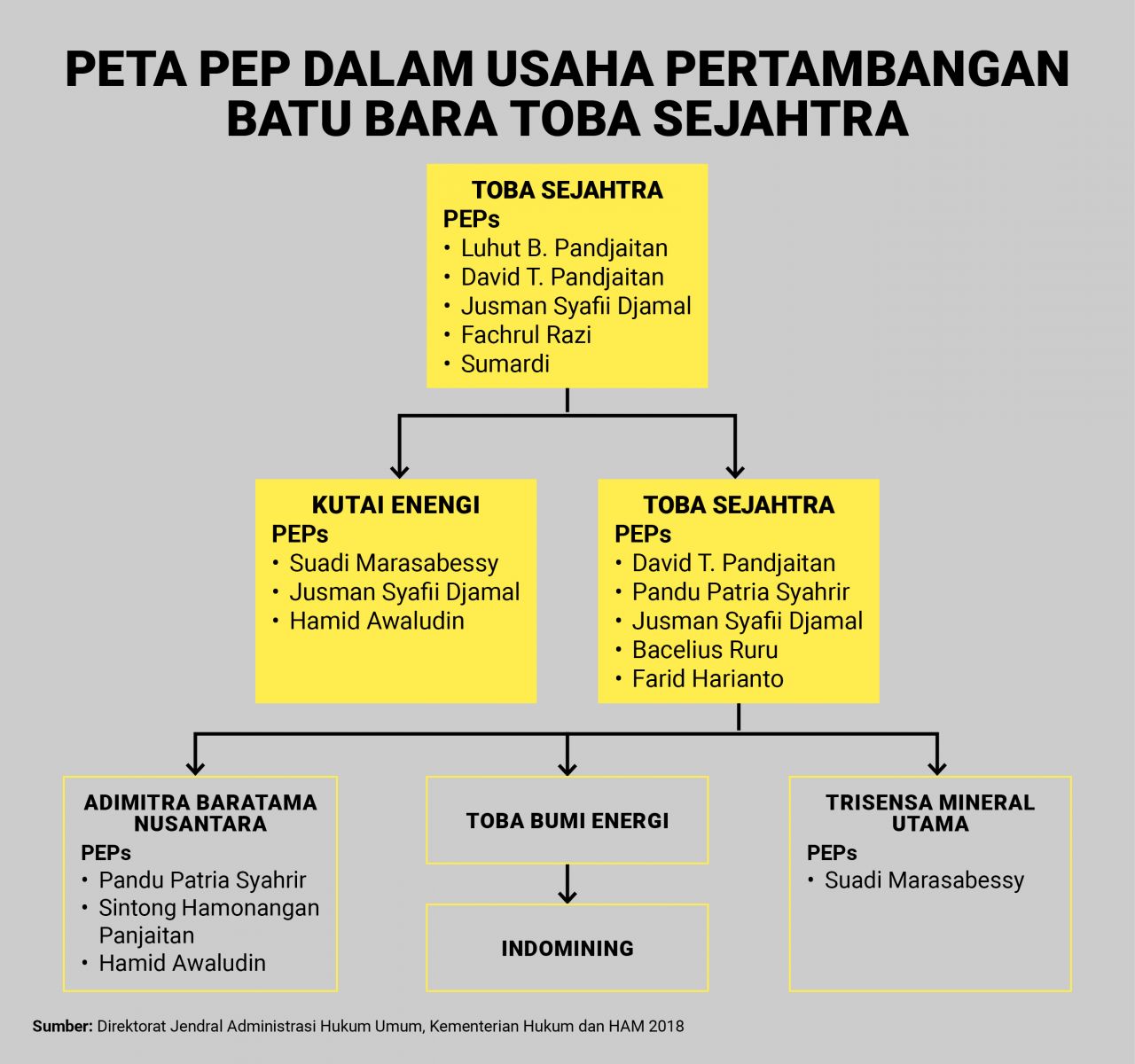
This report entitled Coalruption: Political Elite in the Coal Business Vortex reveals how the political elite (politically exposed persons) unites business and political interests in the coal mining sector. There are political elites with major political conflicts of interest in the coal business, such as the Coordinating Minister for Maritime Affairs Luhut Binsar Pandjaitan who oversees the mining and energy sector but also shareholders of PT Toba Sejahtera.
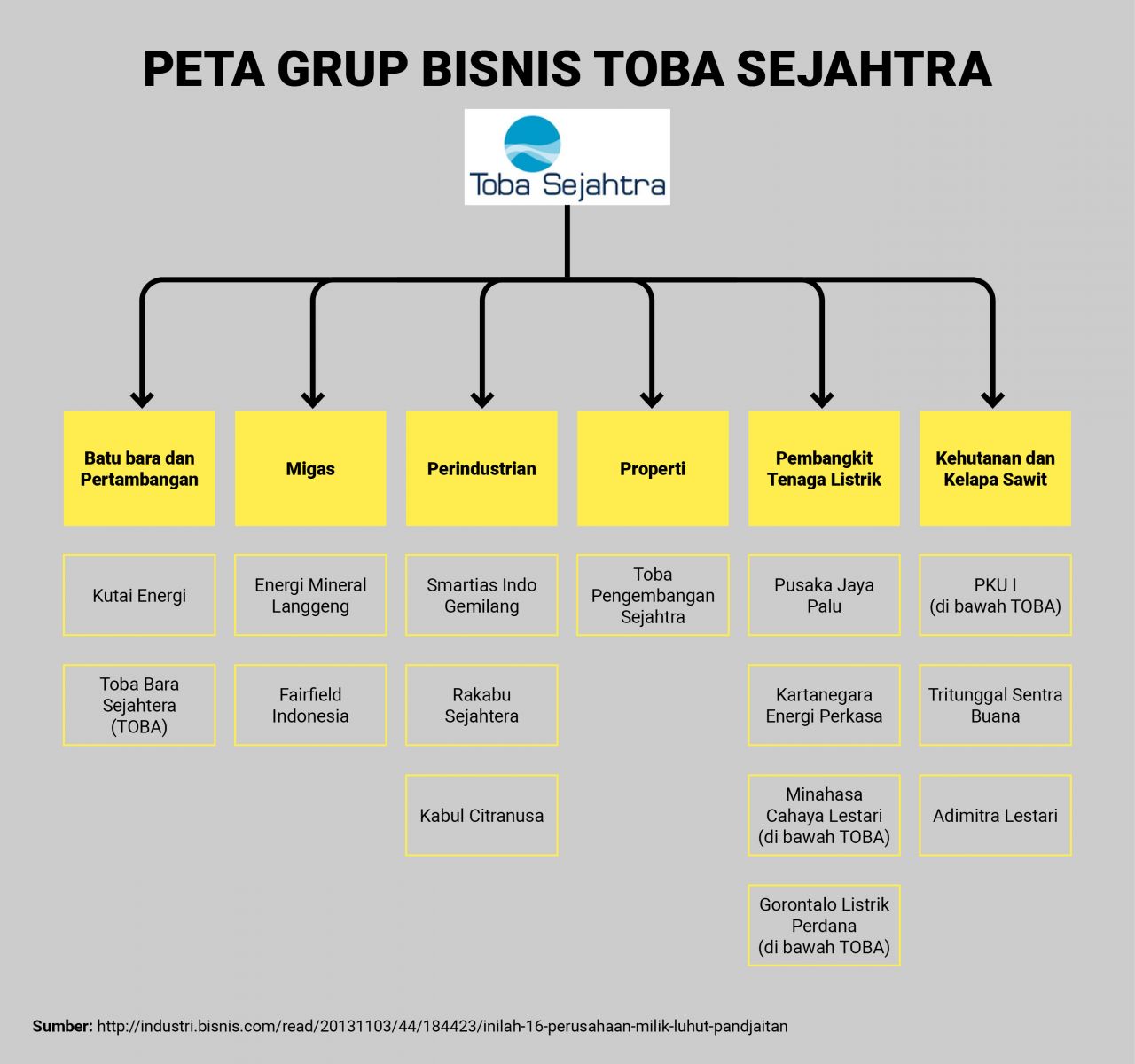
PT Toba Sejahtera has a number of subsidiaries involved in coal mining and coal user industry / infrastructure, such as steam power plants (PLTU). This company was identified as connected to several other politically exposed persons (PEPs), such as retired generals, former Ministers and / or high officials, and members of the Luhut family.
"The national elite conspires with regional elites in the coal business. This is a new landscape in which decentralization makes the decision-making process more political and increases the discretionary power of local officials, and both of these increase the risk of corruption,” said Tata Mustasya, Head of Greenpeace Southeast Asia Climate and Energy Campaign.
The absence of clear and firm rules regarding conflict of interest makes a situation like this increase the vulnerability of corruption in the coal mining sector. Together with other weaknesses in the regulation of preventing corruption, this reduces the government's ability to detect, prevent and punish corruptors effectively.
"Poor supervision makes the management of Indonesia's natural resources, especially coal, vulnerable to corruption. Weak law enforcement has made the coal business a "bane" of businessmen and authorities," said Firdaus Ilyas, a senior researcher with Indonesia Corruption Watch. "From an economic point of view, state revenue from coal is insignificant compared to the environmental impact and interests of future generations, therefore it is time for us to break free from dependence on coal," he added.
Political corruption in many cases has resulted in elections and regional elections being transformed into a power struggle and / or position in order to gain wealth. Coal businessmen seem to understand this situation very well, so it is suspected that many have made political bonds which are harvested after their candidates have been elected.
Coordinator of JATAM Merah Johansyah said, "Political corruption through the collusion of politicians and coal businessmen has caused the public to face various problems caused by this dirty industry. Starting from the eviction of land, seizure of customary territories, criminalization, food and water crisis, health threats, acts of violence by state officials, to the mine pits also causing children to die. "
Pradarma Rupang, East Kalimantan JATAM dynamist added, "The haphazard operation of PT. ABN, a coal mining company connected to the family business of Minister Luhut Panjaitan in this report, this early December has displaced 41 people, 17 houses cracked and destroyed, and cut off the main roads of Sanga-sanga and Muara Jawa villages in Sanga-sanga. Kutai Kartanegara Regency, "
Updated from previous release: (17 December 2018) Coalruption: Pengaruh Elite Politik Dalam Pusaran Bisnis Batu bara
Artikel Lainnya
Entering the Elephant House

Javan rhino : conservation setbacks in ujung kulon national park (2023)
Jakarta, 11 April 2023 - Eighteen Javan rhinos (Rhinoceros sondaicus sondaicus) have disappeared in Ujung Kulon since 20...
New Analysis: Batang Toru Hydroelectric Plant Unnecessary
JAKARTA, 22 JANUARY 2020 — The Batang Toru Hydroelectric Power Plant (PLTA) built with a budget of USD 1.6 billion (equi...