Critical, javan rhinos need strategic yet effective intervention to strive for sustainability of the javan rhinoceros conservation

Jakarta, 11 April 2023 - Eighteen Javan rhinos (Rhinoceros sondaicus sondaicus) have disappeared in Ujung Kulon since 2019, and three of them have been found dead. Poaching of animals, including the Javan rhinoceros, seems to be running rampant in Ujung Kulon National Park, the only remaining habitat of the Javan rhino today.
Additionally, a series of Auriga Nusantara's investigative findings show that a crisis is befalling Javan rhinos in Ujung Kulon National Park. Not only the technical aspects of conservation have strayed, but also the institutional and budgeting of Ujung Kulon National Park that needs fundamental improvements.
-16.png)
The extinction of Sumatran rhinos in Lampung have caused rhino poachers to come to Ujung Kulon, which is not too far from Lampung. The presence of (i) holes in the skull of a male Samson rhino who was found dead in 2018; (ii) snares designed for rhinos or at least large mammals; and the high number of illegal intruders, including armed poachers, are indicators of the increase in animal poaching in Ujung Kulon National Park.
Since 2020, camera traps have only recorded less than 60 Javan rhinos in Ujung Kulon (whereas in 2018, 63 individuals were recorded). Although camera trap findings has decreased, the Ujung Kulon National Park Agency or the Ministry of Environment and Forestry announced that the population is always increasing. Likewise, for the absence of 18 rhino individuals since 2019, not a shred of information about this matter was announced to the public.
-23.png)
The budget allocation of Ujung Kulon National Park has not been prioritized for technical needs of rhino conservation currently. Meanwhile, the structure and placement of employees do not reflect the prioritization of technical rhino conservation activities. In recent years, the Ujung Kulon National Park Agency has spent their resources and energy on the construction of the Javan Rhino Study and Conservation Area (JRSCA), even though this area is outside the existing habitat of the Javan rhinoceros and is not needed for a second habitat or second population program.
Further information about the above findings and recommendations can be accessed in the report entitled Javan Rhinoceros in Jeopardy: Conservation Setbacks in Ujung Kulon which was released through a press conference on Auriga Nusantara's YouTube channel.
Contact person:
Riszki Is Hardianto (Auriga Nusantara): riszkiis@auriga.or.id
Artikel Lainnya
Entering the Elephant House
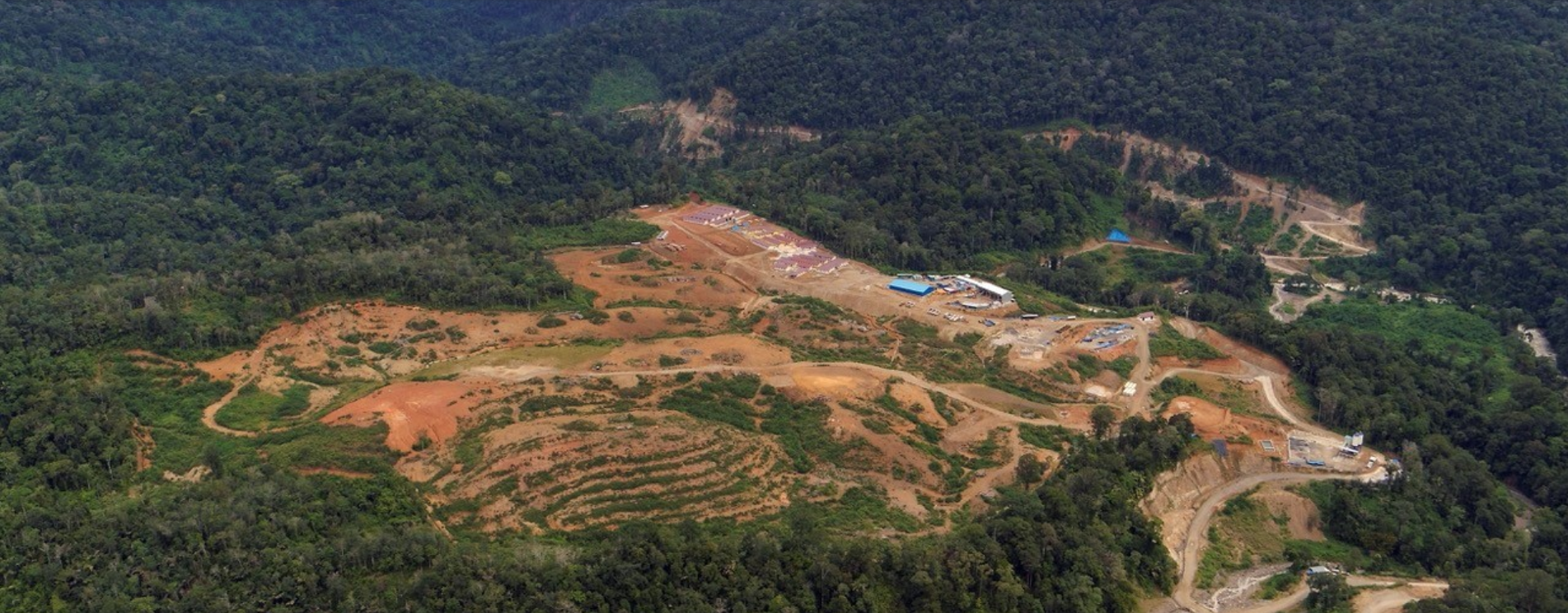
New Analysis: Batang Toru Hydroelectric Plant Unnecessary
JAKARTA, 22 JANUARY 2020 — The Batang Toru Hydroelectric Power Plant (PLTA) built with a budget of USD 1.6 billion (equi...
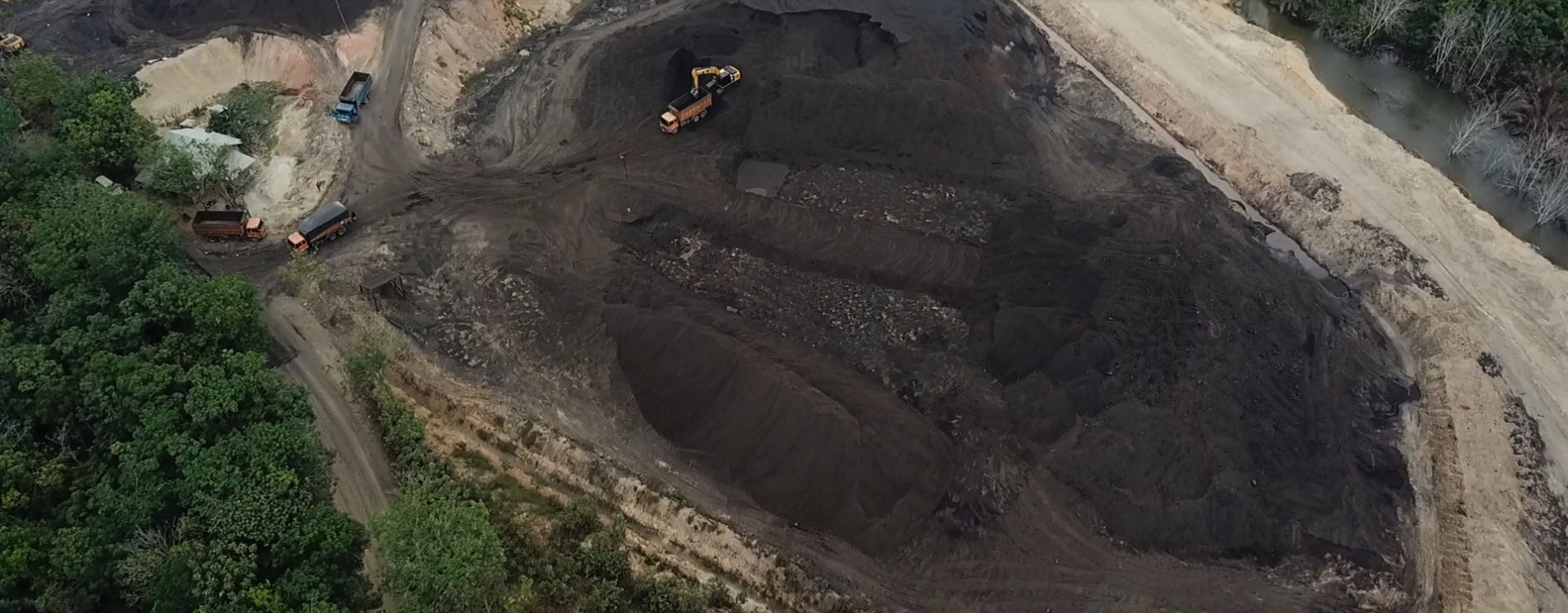
Shedding Light on Political Corruption in Indonesia’s Coal Mining Sector
Jakarta, 17 December 2018 - The coal mining sector has become a political commodity and a source of funding for politica...